CLEANSE
Choose a shampoo suited to your hair's current needs.


Cold mornings, cosy jumpers and crisp autumn air may be some of the best things about the cooler months — but your hair might not agree.
As temperatures drop and indoor heating comes back on, you may notice that your hair feels drier, rougher or more prone to frizz and static than it did during summer. Add wind, rain and regular heat styling into the mix, and maintaining soft, glossy-looking hair can become a little more challenging.
Just as you might switch to a richer moisturiser when the weather gets colder, your haircare routine can benefit from a few seasonal adjustments too.
The good news? You do not need to replace everything.
From moisture-rich shampoos to weekly hair masks and lightweight oils, here is how to build a simple autumn and winter hair care routine with Japanese and Korean haircare favourites.

Why Does Hair Feel Drier in Autumn and Winter?
our hair is exposed to changing environments throughout the day.
Outside, cooler temperatures, wind and lower humidity can leave hair feeling less manageable. Then you step indoors, where central heating creates another dry environment.
Hair that is already coloured, bleached, heat-styled or naturally prone to dryness may notice these seasonal changes even more.
During autumn and winter, you might experience:
That does not necessarily mean your hair is suddenly “damaged”. Sometimes, your summer routine simply needs a little more moisture and conditioning.
Start with a Moisture-Focused Shampoo
A good winter hair routine starts in the shower.
If your hair already feels dry, you do not necessarily want cleansing to leave it feeling even rougher.
Consider switching from a very lightweight summer shampoo to a formula designed with moisture, smoothness or damage care in mind.
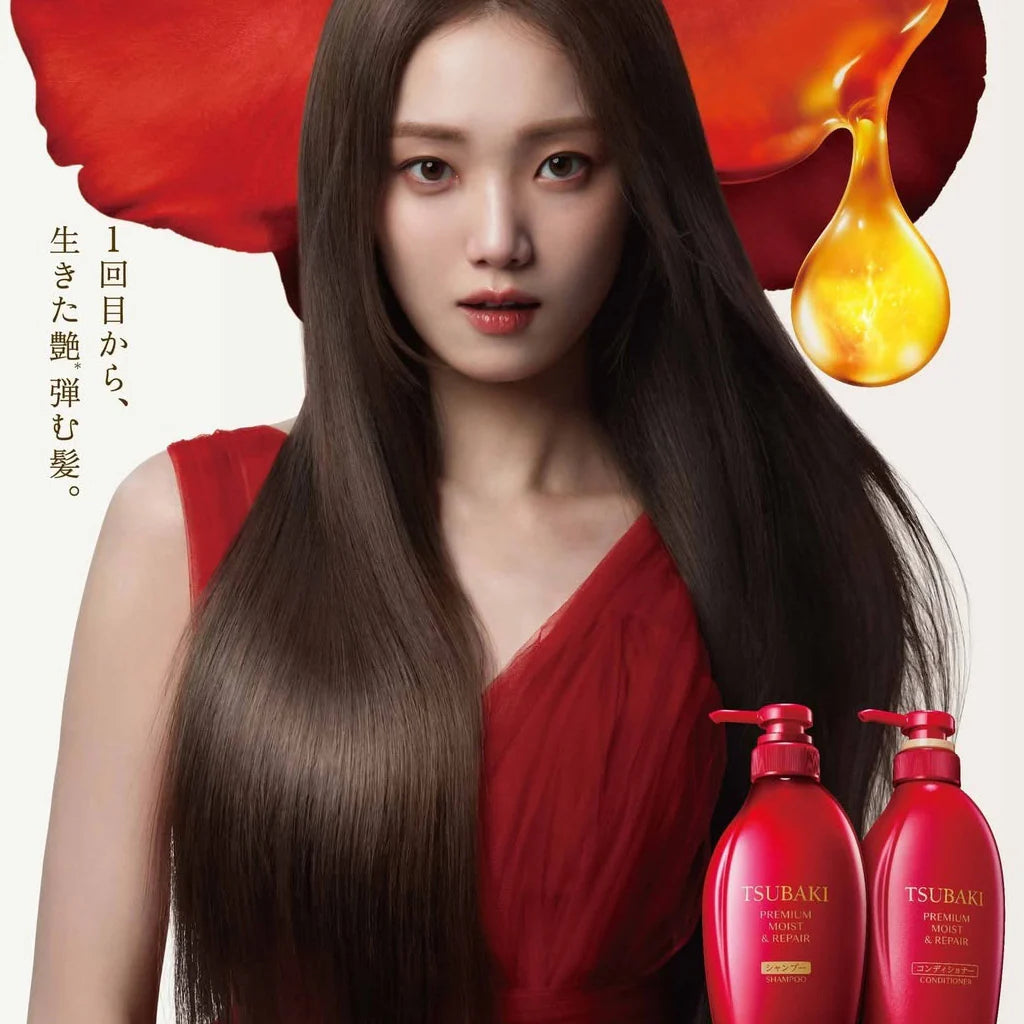
Reiwatakiya Pick: Shiseido TSUBAKI Premium Moist & Repair Shampoo
For hair that becomes noticeably drier as the weather cools, Shiseido TSUBAKI Premium Moist & Repair Shampoo is an easy seasonal switch.
The Japanese haircare range is designed with moisture and smoothness in mind, making it particularly relevant when your hair starts feeling rough or difficult to manage.
Pair it with the matching conditioner if you want to create a straightforward moisture-focused routine.
Never Underestimate Your Conditioner
If shampoo is about cleansing, conditioner is where you can start giving dry-feeling lengths and ends some extra attention.
Apply conditioner mainly through the mid-lengths and ends, rather than concentrating it at the roots.
Leave it on for the recommended amount of time rather than rinsing it away immediately.
And be gentle.
Wet hair can be more vulnerable to mechanical stress, so avoid aggressively rubbing, pulling or detangling your hair straight after washing.
For particularly dry hair, your everyday conditioner can then be supplemented with a more intensive treatment once or twice a week.
Make a Hair Mask Part of Your Winter Routine
Think of a hair mask as the autumn/winter equivalent of reaching for your favourite cosy jumper.
When your regular conditioner no longer feels quite enough, adding a more intensive treatment can help hair feel softer, smoother and easier to manage.
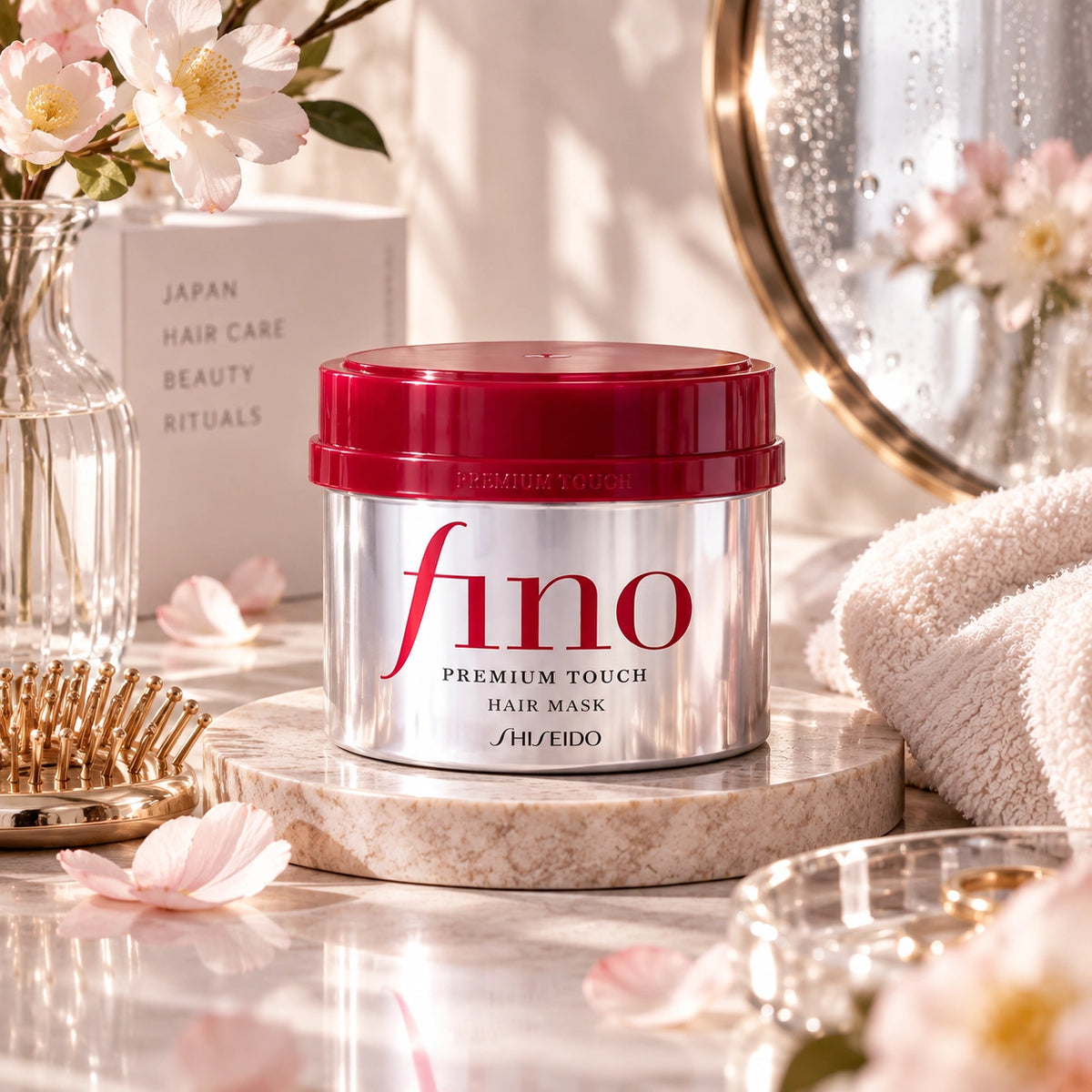
Reiwatakiya Pick: SHISEIDO Fino Premium Touch Hair Mask
If you are familiar with Japanese haircare, you have probably seen the iconic red tub of SHISEIDO Fino Premium Touch Hair Mask.
It is a particularly useful addition for hair that feels dry, rough or damaged from colouring and heat styling.
Instead of treating a mask as something you only reach for when your hair feels particularly bad, try incorporating one into your routine consistently.
Focus the product on the lengths and ends, where dryness and damage tend to be most noticeable.
Give Damaged Hair a Little Extra Attention
Dryness and damage are not exactly the same thing.
If your hair has been bleached, coloured, chemically treated or frequently exposed to straighteners and curling tools, you may want to choose products specifically designed around damage care, rather than moisture alone.

Reiwatakiya Pick: &HONEY Milky Precious EX Repair
The &HONEY Milky Precious EX Repair Shampoo and Treatment make a particularly good choice for this part of an autumn/winter routine.
Rather than simply adding another styling product, switching your core shampoo-and-treatment pairing can make damage care part of your everyday routine.
This is especially worth considering if your ends feel rough or your hair has become harder to manage after colouring or repeated heat styling.
Finish with Hair Oil
One of the easiest additions to an autumn and winter hair routine is a hair oil.
Hair oil can help the lengths and ends feel smoother and softer while giving dry-looking hair a more polished finish.
The important thing is not to use too much.
Start with a small amount, warm it between your palms and distribute it mainly through the mid-lengths and ends.
If your hair is fine, begin with even less and build up only if needed.

Reiwatakiya Pick: UNLABEL LAB Hydro Collagen 100MPa Moist Hair Oil
For a lightweight finishing step, try UNLABEL LAB Hydro Collagen 100MPa Moist Hair Oil.
It fits particularly naturally into a colder-weather routine when the goal is to give dry-looking lengths a smoother, more moisturised appearance without turning your entire routine into a collection of heavy treatments.
Use a small amount through the lengths and ends as the finishing step of your routine.
Turn Down the Heat
When it is freezing outside, air-drying your hair for hours is understandably not always appealing.
You do not have to abandon your hairdryer.
Instead, think about how much heat your hair is receiving.
Try avoiding the highest temperature where possible and keep your dryer moving rather than holding it against one section for too long.
The same applies to straighteners and curling tools.
If your hair is already feeling dry, repeated high-temperature styling can make maintaining softness and manageability more difficult.
And remember: hotter does not automatically mean better.
Be Gentle with Wet Hair
Your winter hair routine is not only about which products you buy.
Small habits matter too.
After washing, avoid aggressively rubbing your hair with a towel. Instead, gently squeeze out excess water and blot the hair.
When detangling, work gradually from the ends upwards rather than pulling a brush straight through knots from the roots.
These changes may seem small, but they are easy ways to reduce unnecessary mechanical stress — especially if your hair is already coloured or damaged.

THE WINTER HAIR EDIT
Wash your hair according to your scalp and hair type.
Make sure all shampoo is properly rinsed away.
Avoid excessively hot water when washing your hair.
Avoid scratching or irritating an uncomfortable scalp.
Apply rich conditioners and masks mainly to the lengths and ends unless directed otherwise.
Experiencing persistent itching, significant flaking or scalp discomfort? Consider seeking advice from a pharmacist, GP or dermatologist.
THE SEASONAL EDIT
You don't need a complicated routine to give your hair a seasonal reset. Just five simple steps to keep your hair feeling soft, smooth and cared for.
Choose a shampoo suited to your hair's current needs.

Focus conditioner through the mid-lengths and ends.

Use a nourishing hair mask once or twice a week, depending on your hair and the product instructions.

Be gentle with wet hair and avoid unnecessarily high heat.

Apply a small amount of hair oil to dry lengths and ends for extra softness and shine.
It's not about using more products.
It's about the right care for the season.
Cooler weather, lower humidity, wind and heated indoor environments can all contribute to hair feeling drier or less manageable. Seasonal changes may make you notice that a lightweight summer routine no longer provides enough conditioning.
You do not need to change a shampoo that is still working well. However, if your hair begins feeling noticeably drier, switching to a moisture- or repair-focused formula may be helpful.
It depends on your hair type, condition and the individual product. For many people, incorporating a mask around once a week is a practical starting point. Always follow the product's directions.
Hair oil can be a useful finishing product for hair that feels dry or looks frizzy. Concentrate a small amount through the lengths and ends rather than automatically applying it heavily from root to tip.
Conditioner is generally designed for regular use after shampooing, while hair masks tend to provide a more intensive conditioning treatment. You do not necessarily need to use both at every wash.
Keeping the lengths well conditioned, avoiding excessive heat and using a small amount of leave-in product or hair oil can help hair feel smoother and more manageable.