

A cleaner feeling should not mean a tight feeling
Double cleansing is one of the best-known steps in a Japanese skincare routine, but it is often misunderstood.
The aim is not to wash your face twice with two strong cleansers. Instead, each step has a different job. A cleansing oil loosens makeup, sunscreen, excess sebum and oil-based residue. A water-based face wash then removes perspiration and any remaining surface impurities.
When the products suit your skin and the oil is emulsified properly, the routine can leave skin feeling fresh and comfortable rather than squeaky or over-cleansed.
This guide explains when double cleansing is useful, how to use Japanese cleansing oil correctly and which Reiwatakiya products may suit your routine.
WHAT IS DOUBLE CLEANSING?

Two cleansers, two different jobs
FIRST CLEANSE
A cleansing oil dissolves oil-soluble residue such as makeup, water-resistant sunscreen, excess sebum and daily grime.
SECOND CLEANSE
A gentle face wash removes perspiration and any residue left after the oil has been rinsed away.
The result should be comfortably clean skin—not a dry, tight or scrubbed feeling.
DO YOU NEED TO DOUBLE CLEANSE EVERY NIGHT?

Double cleanse when your skin needs it
You wore makeup
An oil cleanser can loosen foundation, mascara, lip colour and other makeup with less rubbing than repeatedly wiping the skin.
You wore water-resistant SPF
A first cleanse can help remove sunscreen films that may not rinse away fully with a water-based face wash alone.
Your skin feels congested
A well-emulsified cleansing oil can lift excess sebum and residue without relying on harsh physical scrubs.
It was a makeup-free indoor day
One gentle water-based cleanser may be enough. Double cleansing does not need to be compulsory every evening.
If your skin becomes persistently dry, uncomfortable or irritated, simplify your routine and seek professional advice where appropriate.
HOW TO USE CLEANSING OIL
How to use Japanese cleansing oil correctly
Start with dry hands and a dry face.
Water can make the oil emulsify before it has had time to loosen makeup and sunscreen.
Dispense the recommended amount.
Two or three pumps is usually enough, but always follow the directions on your chosen product.
Massage gently.
Spread the oil across the face for around 30–60 seconds. Use light pressure and avoid aggressive rubbing.
Add a little water.
Wet your fingertips and continue massaging. The oil should turn into a light, milky emulsion.
Rinse thoroughly.
Use lukewarm rather than very hot water.
Follow with a gentle face wash when needed.
Finish with your usual hydrating lotion, serum and moisturiser.
The emulsifying step matters. Washing the oil away before it turns milky can leave a heavier residue on the skin.
CHOOSING YOUR CLEANSING OIL
Choose by texture and routine—not by skin type alone
Japanese cleansing oils to explore
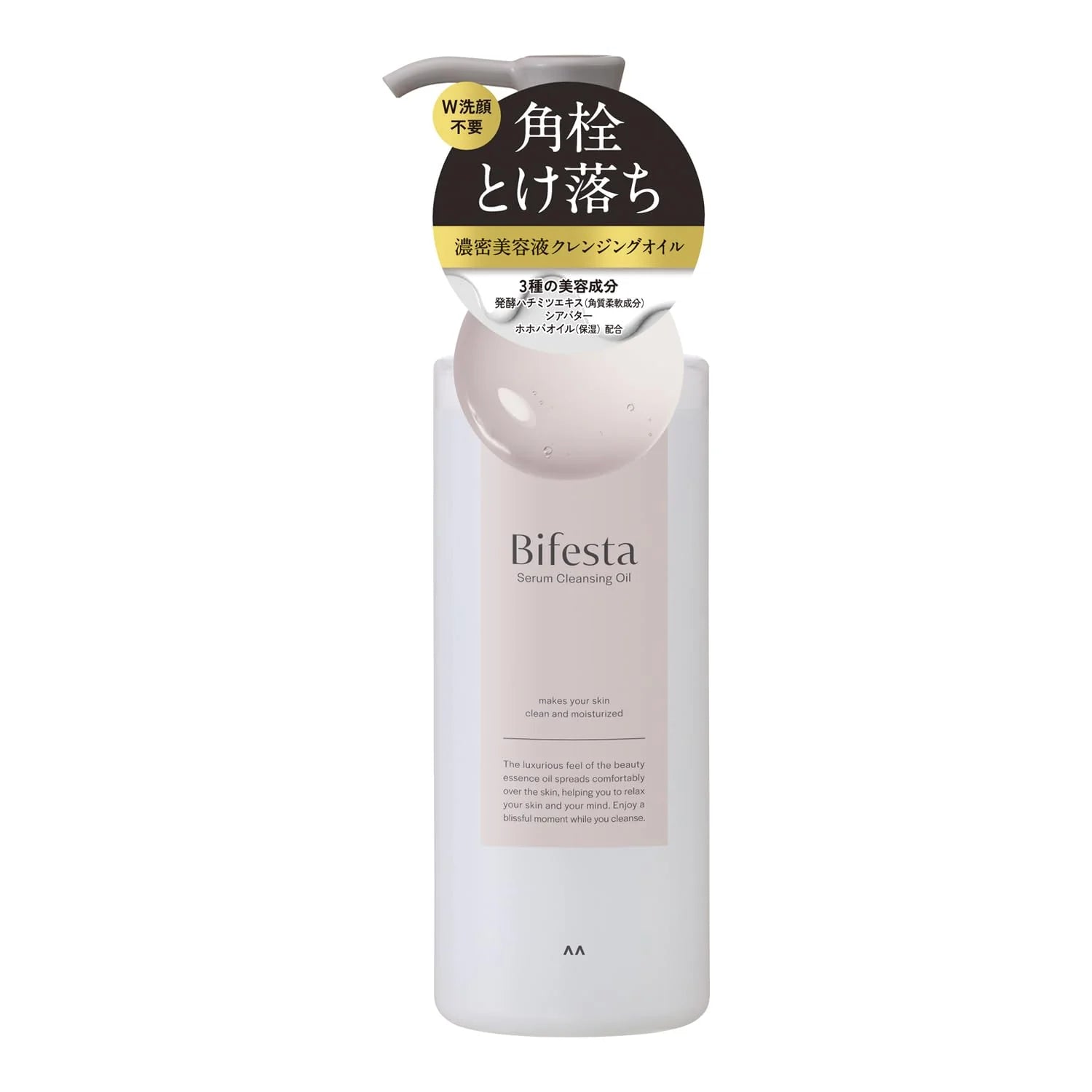
MANDOM BIFESTA Serum Cleansing Oil
An accessible everyday option for dissolving makeup and sunscreen. Apply to dry skin, massage gently, emulsify with water and rinse thoroughly.
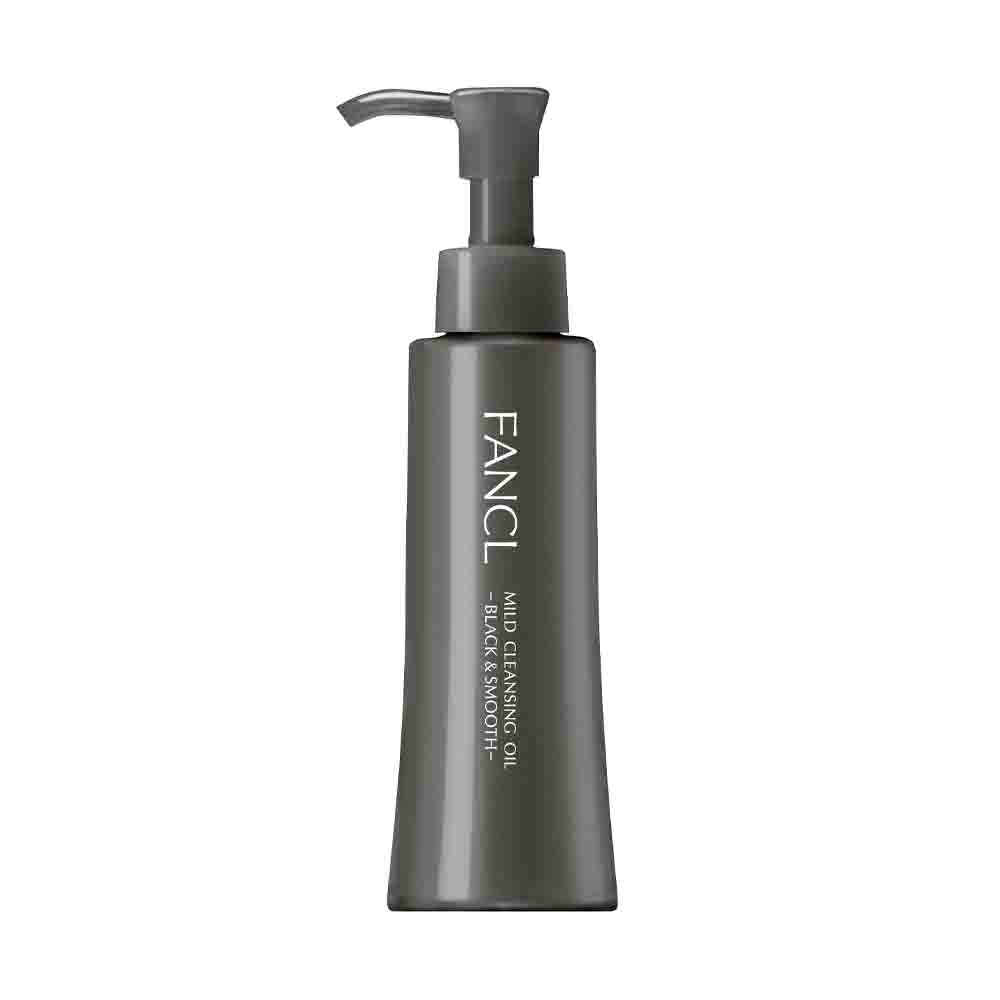
FANCL Mild Cleansing Oil Black & Smooth 120ml
A pore-focused cleansing oil for removing makeup and excess sebum. Its rich slip makes it suitable for a careful evening cleanse without unnecessary rubbing.
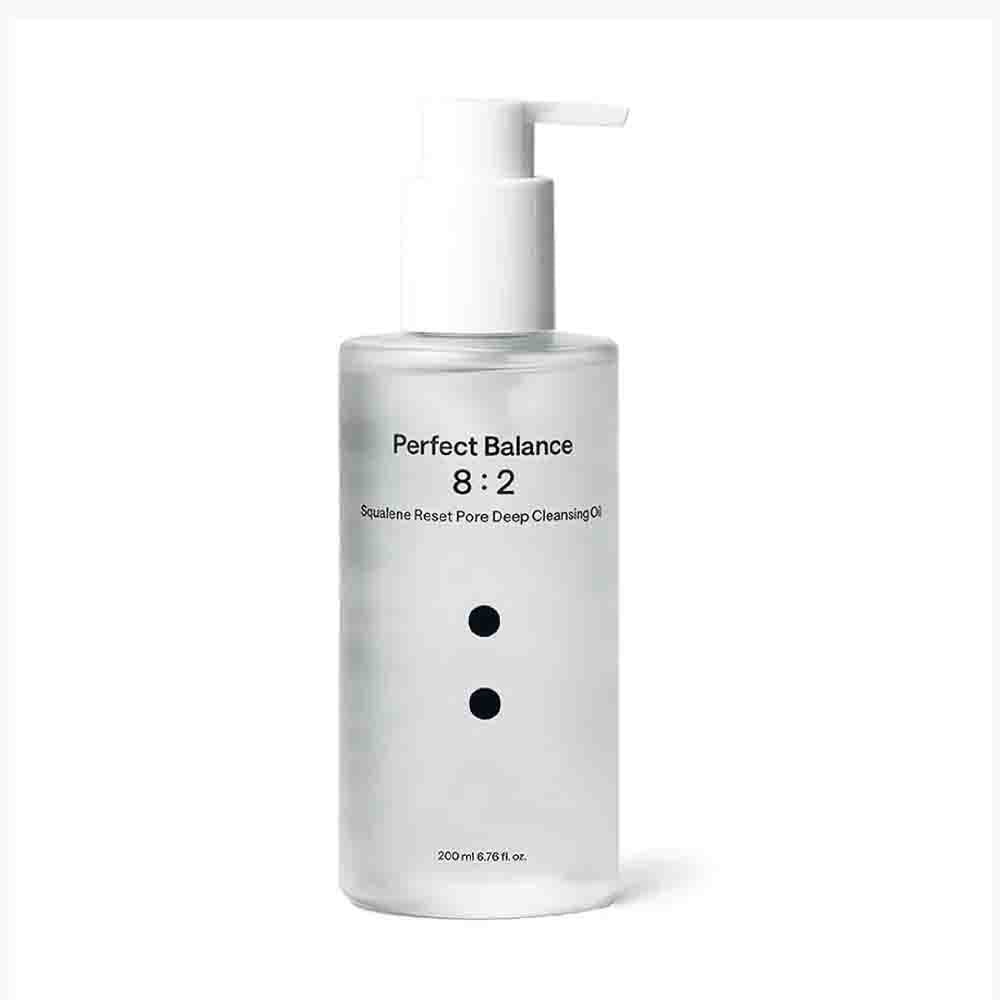
Perfect Balance 8:2 Squalene Reset Pore Deep Cleansing Oil 200ml
A squalene-based cleansing oil with a smooth, comfortable texture. Massage two or three pumps over dry skin, emulsify carefully and rinse with lukewarm water.
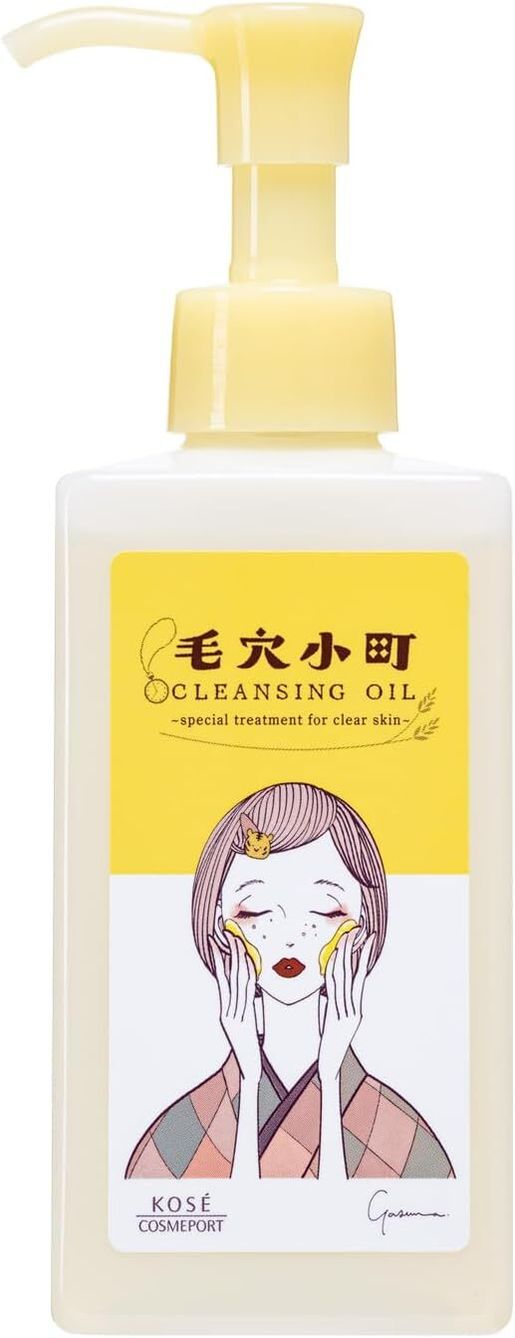
KOSE Softymo Pore Komachi Enzyme Cleansing Oil 150ml
A budget-friendly Japanese cleansing oil developed for makeup, pore residue and excess sebum. Keep the massage gentle and emulsify fully before rinsing.
THE SECOND CLEANSE
Your second cleanser should finish the routine—not restart it
After rinsing away your cleansing oil, use a small amount of water-based cleanser and focus on comfort.
A second cleanser does not need to create an enormous amount of foam to work. Choose a texture you enjoy, cleanse briefly and rinse with lukewarm water. Your skin should feel fresh and flexible rather than dry or squeaky.
If you have worn very little sunscreen or makeup, or your skin already feels clean after emulsifying and rinsing your oil, you may not always need a second cleanse.
GENTLE SECOND-CLEANSER OPTIONS
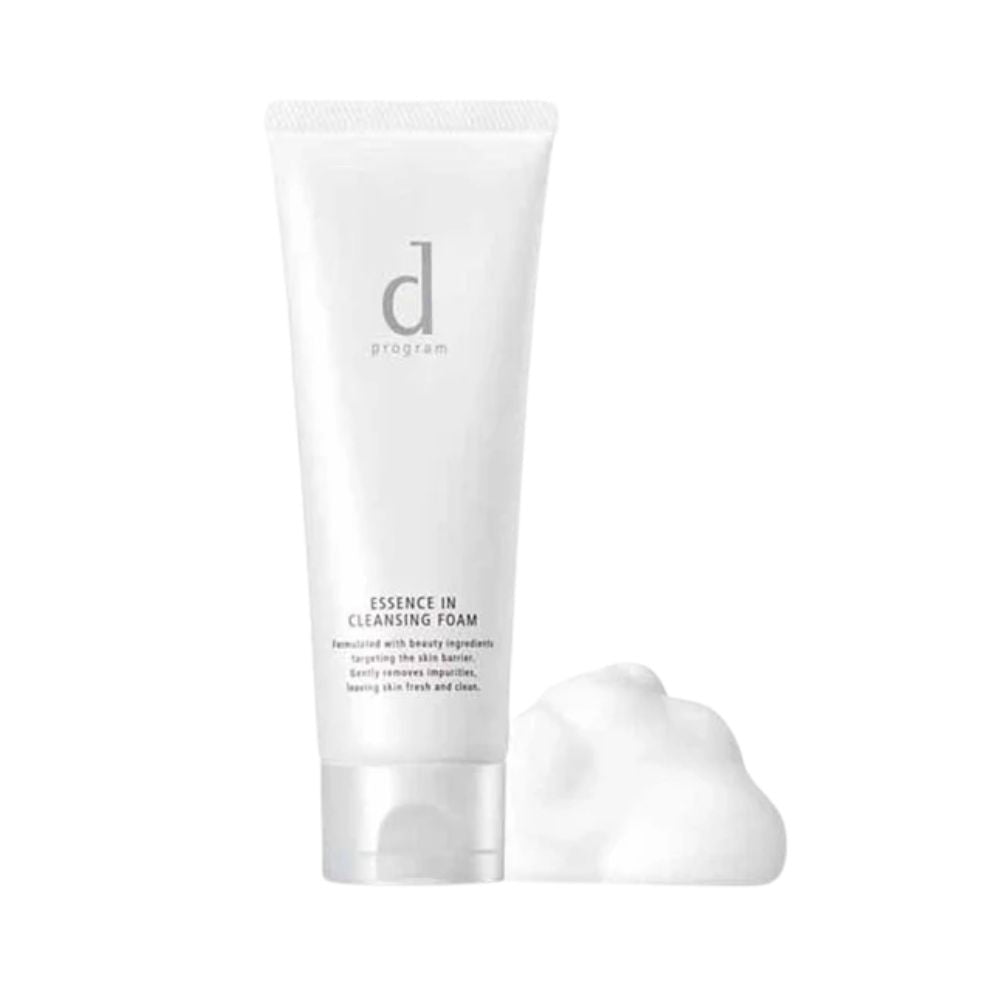
SHISEIDO D Program Essence in Cleansing Foam 120g
A soft cleansing foam from Shiseido’s D Program range, designed for a comfortable, low-friction cleanse.
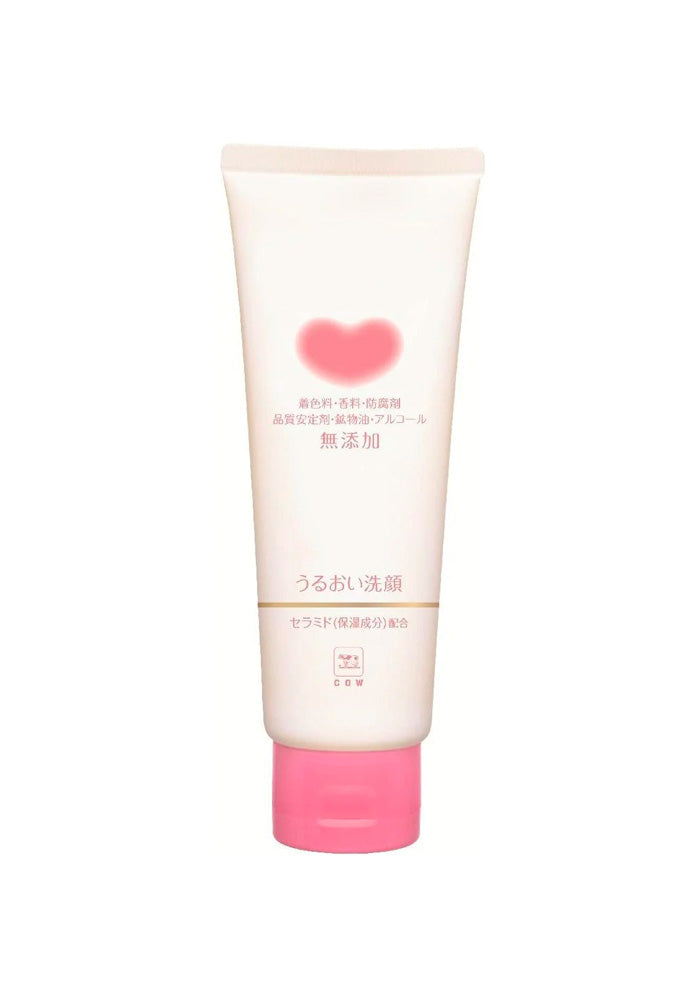
COW BRAND Cow Moisturizing Face Wash 110g
A straightforward moisturising face wash for customers who prefer an uncomplicated and affordable second-cleansing step.
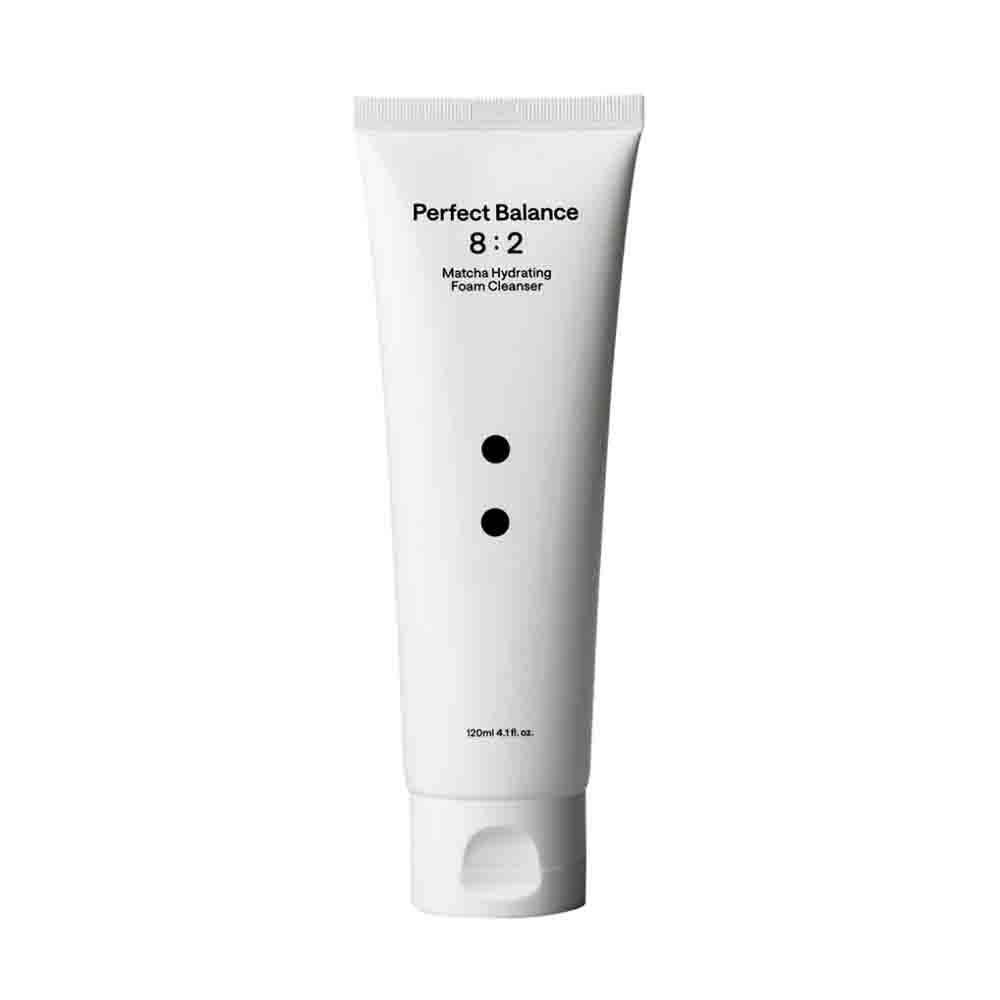
Perfect Balance 8:2 Matcha Hydrating Foam Cleanser 120ml
A hydrating foam cleanser with a fresh matcha-inspired identity, suitable for completing a balanced evening routine.
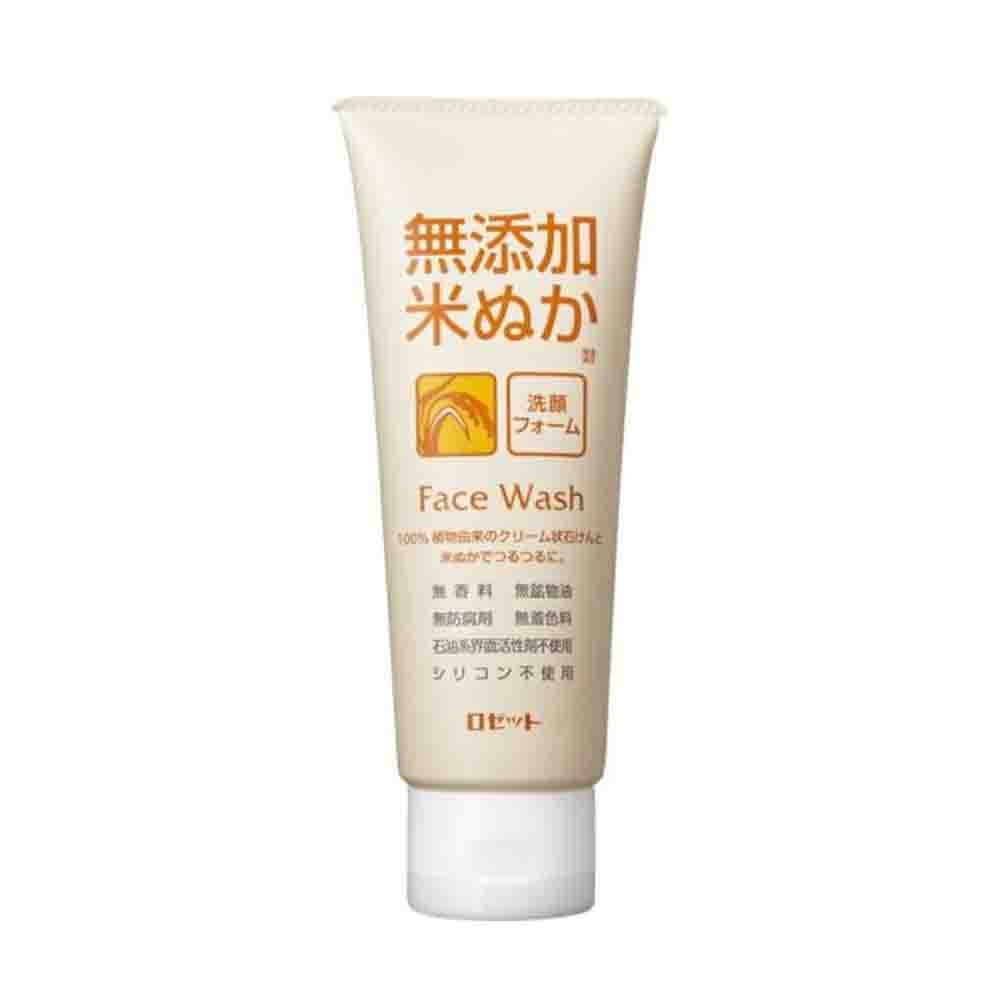
ROSETTE Additive-Free Rice Bran Cleansing Foam 140g
An affordable Japanese cleansing foam with a simple rice-bran concept, suitable for an easy everyday second cleanse.
Frequently Asked Questions
Yes. Cleansing oil is designed to loosen oil-soluble residue and excess sebum. The most important steps are choosing a texture you enjoy, emulsifying it thoroughly and avoiding prolonged massage.
Results vary by formula and individual skin. Rinse the product thoroughly, follow its directions and stop using it if you notice persistent discomfort or congestion. Patch testing is sensible for reactive skin.
Not necessarily. A second cleanser is useful after heavier makeup, resistant sunscreen or a long day outside. If your oil emulsifies cleanly and your skin already feels comfortable, you can adjust the routine to your needs.
Yes, particularly when removing water-resistant sunscreen or excess sebum. On a light indoor day, however, one gentle cleanser may be enough.
Most people use it in the evening. A simple water rinse or gentle water-based cleanser is generally more suitable for the morning, depending on your skin and routine.
Around 30–60 seconds is usually sufficient. Focus on gentle coverage and correct emulsification instead of extending the massage.
It can be, provided both cleansers are comfortable for your skin and the routine does not involve excessive rubbing or hot water. Introduce one new product at a time and stop if irritation develops.