
If your skin suddenly feels dry, tight, sensitive or more easily irritated than usual, you may have heard someone say that your skin barrier is damaged.
But what exactly is the skin barrier — and why does it matter so much?
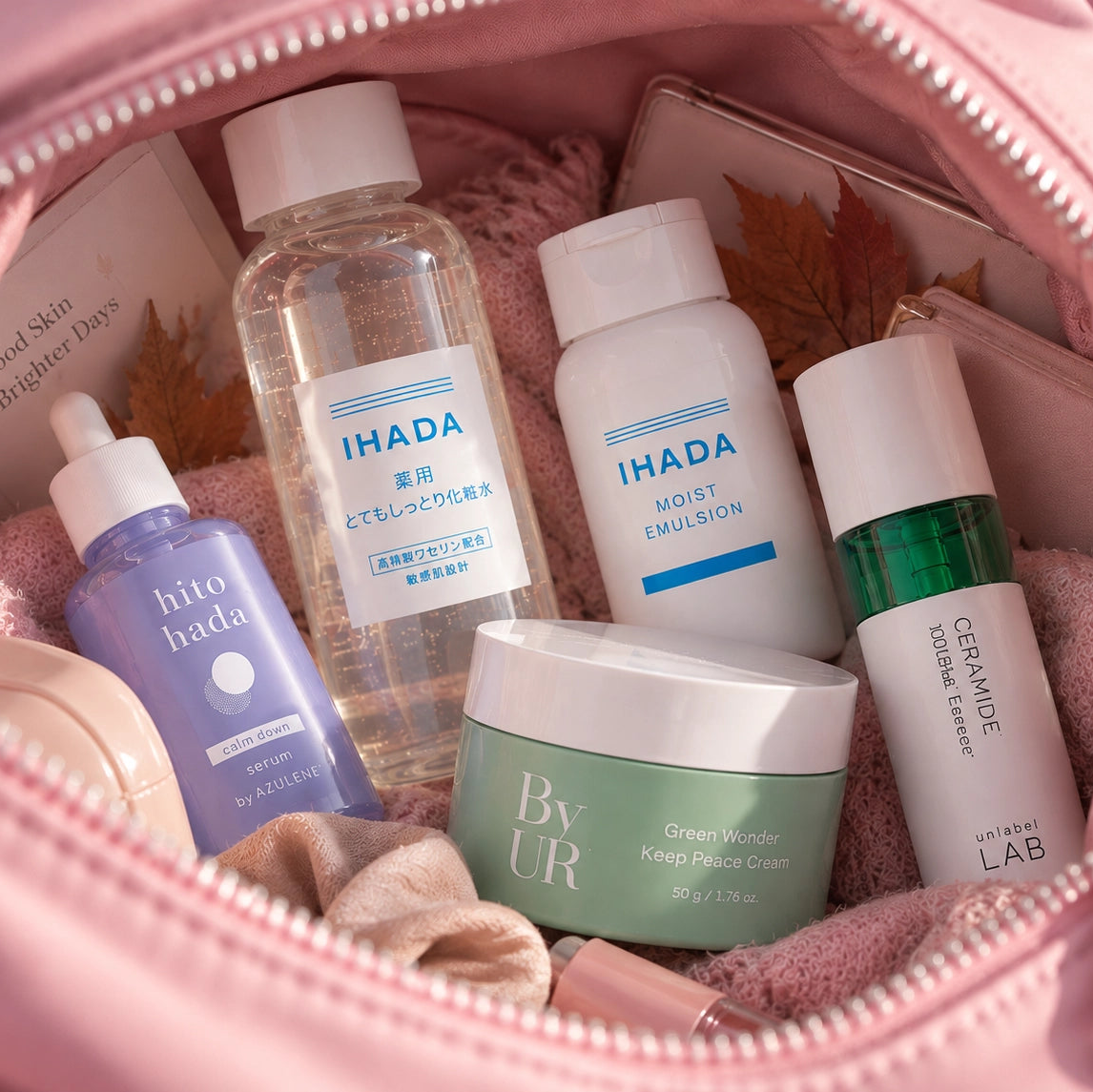
From ceramides and centella to gentle cleansers and moisturisers, “barrier care” has become an important part of both Japanese and Korean skincare. The good news is that looking after your skin barrier does not necessarily require a complicated routine.
Here is our beginner-friendly guide to understanding your skin barrier, recognising when it may need a little extra care and building a simple routine to support it.

What Is the Skin Barrier?
Think of your skin barrier as your skin's protective outer layer.
The outermost part of the epidermis, known as the stratum corneum, is made up of skin cells surrounded by lipids including ceramides, cholesterol and fatty acids.
One of its most important jobs is to help keep moisture in while limiting the impact of external irritants.
A healthy skin barrier therefore helps your skin stay hydrated, comfortable and resilient.
When this protective layer becomes disrupted, however, your skin may lose water more easily and become more sensitive to things that would not normally bother it.
What Does a Damaged Skin Barrier Feel Like?
There is no single sign that automatically means your skin barrier is damaged, and persistent skin concerns should always be discussed with a qualified healthcare professional.
However, a disrupted or compromised skin barrier may be associated with changes such as:
- Skin feeling unusually dry or tight
- Rough or flaky patches
- Increased sensitivity
- Redness or discomfort
- Products that previously felt comfortable suddenly stinging
- Skin feeling dehydrated despite using moisturiser
One particularly useful clue is change.
If your usual skincare routine suddenly feels uncomfortable, or your skin becomes much drier and more reactive than normal, it may be worth simplifying your routine and considering whether you have recently introduced anything new.
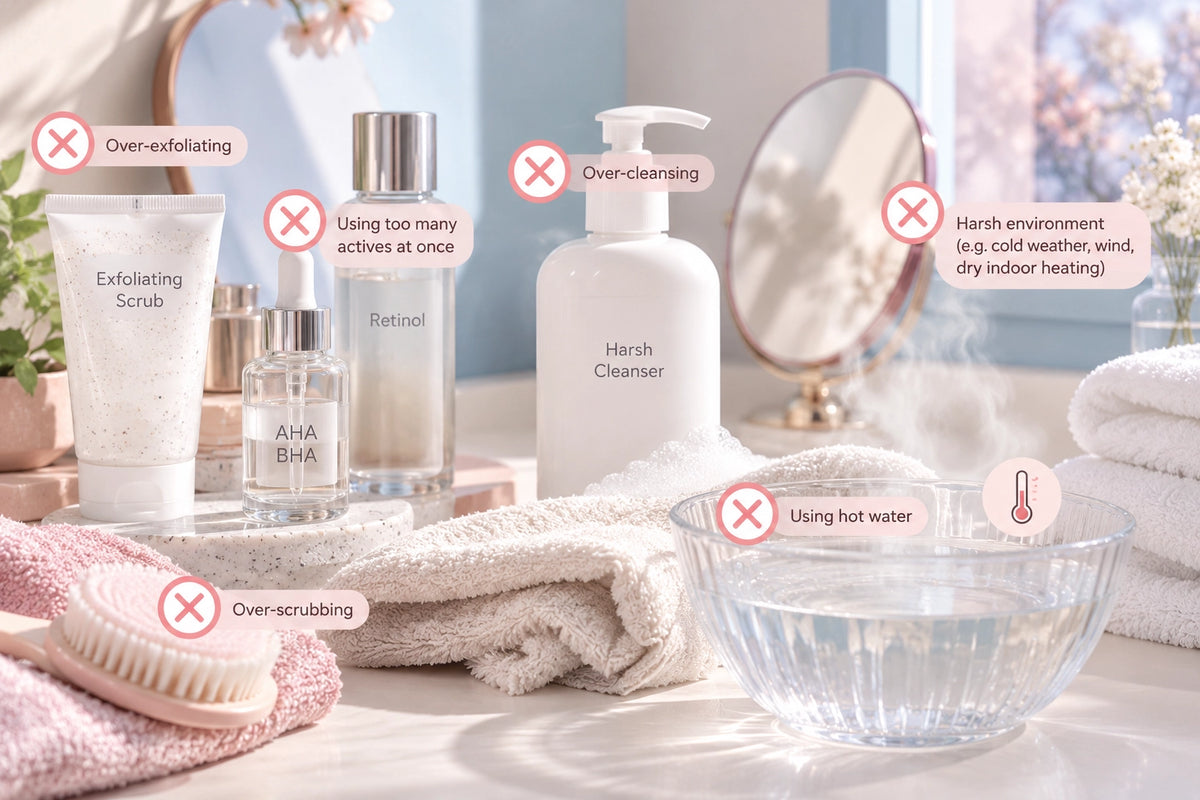
What Should You Avoid When Your Skin Barrier Feels Damaged?
The instinct may be to immediately buy several new “repair” products.
Try not to.
When skin feels unusually sensitive, simplifying your routine can make it easier to understand what your skin tolerates.
Consider temporarily reducing unnecessary exfoliation and avoiding the temptation to introduce several strong active products at once.
Introduce new skincare gradually, and pay attention to how your skin responds.
If a product consistently causes burning, significant redness or irritation, stop using it rather than trying to “push through”.
Persistent, severe or unexplained skin problems should be assessed by a GP, pharmacist or dermatologist rather than treated solely through cosmetic skincare.
How Long Does It Take to Repair the Skin Barrier?
There is no universal skincare countdown.
How quickly your skin feels more comfortable depends on what caused the disruption, your skin condition and what products you are using.
Instead of focusing on achieving “perfect” skin within a certain number of days, watch for gradual changes in comfort, hydration, dryness and sensitivity.
Consistency is more useful than constantly switching products.
The Bottom Line: Keep Barrier Care Simple
Your skin barrier plays an essential role in keeping moisture in and helping protect your skin from the outside world.
And supporting it does not require the most complicated skincare routine.
Start with the basics:
Cleanse gently.
Replenish hydration.
Look for supportive ingredients such as ceramides and panthenol.
Use a suitable moisturiser.
Wear sunscreen during the day.
Most importantly, pay attention to your own skin.
Japanese and Korean skincare offer plenty of sophisticated formulas, but the best routine is not necessarily the one with the most steps — it is the one you can use comfortably and consistently.
Explore Reiwatakiya's collection of authentic Japanese and Korean skincare and discover products designed to make everyday skincare a little simpler.
Frequently Asked Questions
The skin barrier generally refers to the outermost layer of the skin, particularly the stratum corneum. It helps limit water loss while providing protection from external irritants and environmental factors.
Dryness, tightness, flaking and increased sensitivity can sometimes accompany a compromised skin barrier. However, these symptoms can have many causes. If they are severe, persistent or concerning, seek advice from a healthcare professional.
Ceramides are particularly relevant because they are naturally occurring lipids within the skin barrier. Moisturising formulas may also contain ingredients such as glycerin, hyaluronic acid, panthenol, squalane and occlusive ingredients to support hydration and reduce moisture loss.
If your skin is already irritated or unusually sensitive, adding stronger active ingredients may make your routine more difficult to tolerate. Consider simplifying your routine first and reintroducing active products gradually once your skin feels comfortable. Seek professional advice if you are unsure.
Yes. Skin type and skin-barrier condition are not the same thing. Oily skin can still feel dehydrated, sensitive or uncomfortable. Lightweight moisturising products may be more suitable than skipping hydration altogether.
Ceramides are naturally present in the skin's outer layers and play an important role in its lipid structure. Ceramide-containing skincare can form part of a moisturising routine designed to support dry or barrier-compromised skin.
Yes. We offer fast UK delivery, with free shipping on orders over £35.
Read more

Shiseido IHADA Lotion and Emulsion Guide for Dry, Sensitive Skin
Discover the difference between Shiseido IHADA Medicated Lotion (Rich) and IHADA Medicated Moist Emulsion, how to layer them and how they can fit into a simple routine for dry, sensitive or dehydra...
Read more